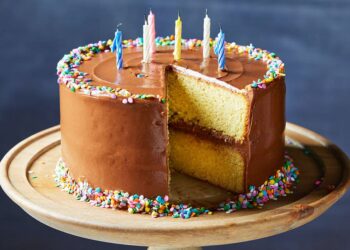

The culinary landscape is experiencing a noticeable shift toward moderation, precision, and variety. Traditional large-scale baking, characterized by tiered cakes, massive pie pans, and multi-dozen cookie sheets, is sharing the spotlight with a more refined counterpart. Mini desserts and small-batch baking have evolved from a niche novelty into a dominant cultural and culinary movement.
From single-serving cheesecakes to delicate tartlets and tiny batches of cookies, bakers are scaling down their recipes. This trend is not a passing fad. Instead, it represents a fundamental change in how people consume sweet treats, manage household resources, and share their culinary creations. Understanding the drivers behind this movement reveals a perfect intersection of consumer psychology, economic practicality, and creative freedom.
The Psychological Appeal of Miniature Indulgence
One of the primary catalysts for the mini dessert trend is the psychological shift in how consumers view indulgence. In the past, celebrations demanded grand visual displays of abundance. Today, value is increasingly placed on quality, presentation, and mindful consumption.
Mindful Portion Control Without Deprivation
Living a health-conscious lifestyle often clashes with the desire for dessert. Traditional baking yields quantities that encourage overeating or cause feelings of guilt. Mini desserts solve this dilemma by providing built-in portion control. A single-serving ramekin of crème brûlée or a miniature chocolate mousse cup allows individuals to satisfy a sweet craving completely without derailing their nutritional goals. The psychological satisfaction of eating an entire, beautifully finished dessert is far greater than cutting a tiny, visually unappealing sliver from a giant cake.
The Variety Factor and Flavor Exploration
When a host serves a standard large cake, guests are committed to one flavor profile. Small-batch baking allows hosts and commercial bakeries to offer a diverse assortment of treats simultaneously. Instead of choosing between a lemon tart, a chocolate brownie, or a raspberry cheesecake, consumers can sample all three in miniature form. This variety enhances the sensory experience of a meal and turns dessert into an interactive tasting event rather than a predictable conclusion.
Social and Cultural Drivers
Demographic shifts and changing social structures have directly influenced how kitchens operate. The modern household looks vastly different than it did a few decades ago, and baking habits have adapted accordingly.
Smaller Households and Changing Demographics
The number of single-person and two-person households has risen steadily. For these smaller families, traditional recipes that yield 24 large cookies or a double-layer cake are simply impractical. Small-batch baking addresses this reality by adjusting ingredient ratios to yield two to four servings. This ensures that empty nesters, young professionals, and single individuals can enjoy fresh, oven-warm baked goods without the burden of managing a massive mountain of leftovers.
The Influence of Visual Social Media
Visual platforms have fundamentally changed how food is presented. Miniature desserts possess an inherent aesthetic charm that translates exceptionally well to digital screens. The precision required to craft a perfectly layered mini opera cake or a tiny, intricately decorated doughnut appeals to the appreciation for high craftsmanship. Home bakers and professional pastry chefs alike find that miniature items generate significant engagement, inspiring others to try scaling down their own kitchen projects.
Economic and Environmental Practicality
Beyond the aesthetic and psychological benefits, small-batch baking offers tangible advantages in terms of economics and sustainability. Waste reduction and ingredient optimization are front of mind for the modern cook.
Combating Food Waste
Food waste is a significant global concern, and large-scale home baking is a common contributor. A standard cake or large batch of pastries often loses its freshness before a small family can consume it, ultimately ending up in the trash. By baking exclusively what will be eaten within 24 to 48 hours, small-batch bakers virtually eliminate stale leftovers. This aligns with a growing consumer desire to live more sustainably and respect the resources involved in food production.
Accessibility of Premium Ingredients
High-quality ingredients like pure vanilla bean paste, European-style cultured butter, organic heirloom flours, and single-origin dark chocolate can be prohibitively expensive when purchased in the quantities required for large-scale recipes. When a recipe only calls for a few tablespoons of butter or a single ounce of chocolate, bakers can afford to upgrade to premium, organic, or artisanal ingredients. This elevates the overall flavor profile of the dessert, prioritizing superior taste over sheer volume.
Technical Nuances of Small-Batch Baking
Scaling down a recipe is not as simple as dividing every ingredient by four. Baking is a precise chemical reaction, and reducing quantities introduces unique physical challenges that require careful adjustments.
-
The Egg Dilemma: A standard large egg weighs approximately 50 grams without the shell. If a baker needs to divide a recipe that calls for one egg, they cannot simply use a fraction of a whole egg blindly. The solution involves whisking the egg completely and measuring out the exact weight needed in grams.
-
Evaporation Rates: Smaller volumes of batter have a higher surface-area-to-volume ratio. This means moisture evaporates much faster during the mixing and baking process. Small-batch recipes often require slight adjustments to liquid ratios or shorter baking times to prevent the final product from drying out.
-
Pan Size and Heat Transfer: Baking a miniature cake requires small pans, such as four-inch springform pans or individual ramekins. Because the heat penetrates the center of the batter much quicker than it would in an eight-inch pan, oven temperatures sometimes need to be lowered slightly, and bake times must be monitored closely to avoid burning the edges.
Frequently Asked Questions
Do I need to buy specialized equipment to start small-batch baking at home?
While specialized equipment is not strictly mandatory, having a few key tools makes the process significantly easier. Investing in a precise digital kitchen scale that measures in grams is the most important step, as volume measurements like cups and tablespoons become highly inaccurate at small scales. Additionally, acquiring a few four-inch cake pans, a six-count mini muffin tin, and a collection of oven-safe ramekins will allow you to execute most small-batch recipes perfectly without modifying your existing standard oven.
How do I accurately measure half or a third of an egg for a small recipe?
The most reliable method is to crack a whole egg into a small bowl and whisk it vigorously until the yolk and white are completely homogenized. Place your digital scale on the counter, tare it to zero with a clean container, and pour the whisked egg into the container until you reach the desired weight. A standard large egg yields about 50 grams of liquid, so half an egg would be 25 grams. Any remaining egg can be saved in the refrigerator for scrambled eggs or used as an egg wash later.
Why did my small-batch cookies turn out dry and cake-like instead of chewy?
When cookie dough is scaled down into small quantities, it loses moisture much faster in the oven due to the increased air circulation around the smaller dough balls. If the baking time is not reduced accordingly, the cookies will overbake rapidly, turning dry or cakey. To maintain a chewy center, try chilling the shaped dough balls in the refrigerator for at least thirty minutes before baking to solidify the fat, and decrease your total oven time by two to three minutes.
Can I simply divide a standard cake recipe by four to make a mini cake?
Not always. While some simple recipes scale down linearly, many complex batters do not. The primary issue lies in the leavening agents like baking powder and baking soda, as well as the fat-to-liquid emulsion. Small errors in scaling leaveners can result in a cake that tastes metallic or sinks in the center. It is generally safer to follow a dedicated small-batch recipe where the chemical ratios have already been tested and optimized for smaller pan sizes.
How does the baking time change when converting a large pie into mini tartlets?
Mini tartlets cook much faster than a full-sized pie because the heat can easily penetrate the shallow depth and small circumference of the pastry shell. A large fruit pie might take 50 to 60 minutes to bake thoroughly, whereas mini tartlets will often be completely done within 15 to 20 minutes. You must keep a close eye on the crust coloration and fluid bubbling during the final minutes to prevent over-browning.
What is the best way to store small-batch leftovers if they are not eaten immediately?
Because small-batch baked goods contain less mass and surface area, they are highly susceptible to drying out or absorbing ambient odors from the refrigerator. Always store them in tightly sealed, airtight containers that are appropriately sized for the item, leaving as little empty air space as possible. For optimal freshness, most small-batch pastries should be consumed within 24 hours, though components like cookie dough can be frozen in individual portions and baked fresh on demand.