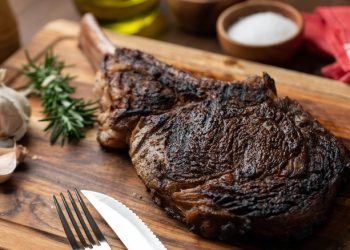

The modern luxury hospitality landscape has entered a realm where exceptional food and a pristine dining room are merely the baseline requirements. In the elite tiers of fine dining, guests are no longer just purchasing a meal; they are investing in an emotional, narrative-driven experience. The distinction between a great restaurant and an unforgettable institution lies in the mastery of hospitality psychology, seamless execution, and the ability to anticipate needs before they are ever articulated.
To curate an elite customer journey, fine dining operators must look at every point of engagement as a critical opportunity to build a connection. From the initial reservation call to the final departure at the valet station, creating an unforgettable experience requires a systematic integration of service mechanics, hyper-personalization, and operational intuition.
The Architecture of Anticipatory Service
The pinnacle of fine dining service is invisible. When a captain or server operates at the highest level, the guest never has to search for an eye, request a water refill, or wonder when the next course will arrive. This seamless flow is achieved through anticipatory service, a methodology that relies on rigorous observation and psychological decoding.
Reading Body Language and Table Mechanics
Professional service teams are trained to read the subtle behavioral cues of their tables. The physical positioning of a guest provides direct instructions to an observant server.
-
The Slump and the Lean: If a guest leans back in their chair and crosses their arms, it often indicates a transition into relaxation or a desire for a slower pacing between courses. Conversely, a guest leaning forward with elbows on the table is deeply engaged in conversation, signaling the kitchen to maintain a steady, efficient flow of plates so as not to disrupt the social momentum.
-
The Silverware Language: The alignment of flatware on the plate is a classical indicator of status. When a guest rests their fork and knife parallel at the four o’clock position, it communicates an official conclusion to the course, allowing the front-of-house team to clear the table silently without asking if the guest is finished.
Establishing the Profile Database
Luxury restaurants treat guest data with the same seriousness as high-end private banks. A comprehensive guest history system allows the restaurant to personalize the experience across multiple visits.
-
Preference Tracking: The service team notes specific details during every visit, such as a guest preferred table location, their allergy profiles, whether they favor sparkling water over still, and their preferred spirit classifications.
-
The Element of Surprise: Returning guests should be greeted with their preferences already executed. If a customer prefers their espresso with oat milk, it should be offered automatically at the end of the meal without the guest needing to specify the substitution again. This micro-interaction immediately signals to the patron that they are valued, recognized, and remembered.
The Choreography of the Meal: Pacing and Flow
A multi-course tasting menu is a live theatrical performance. If the timeline drags, the guest experiences fatigue and boredom; if it moves too fast, the evening feels rushed and transactional. The orchestration of time is a critical component of luxury hospitality.
Managing Palate and Mental Fatigue
Sitting for a three-hour culinary journey can be physically taxing. Chefs and floor managers work in unison to control the energetic rhythm of the dining room.
-
Mid-Meal Resets: After heavy, rich protein courses, the introduction of a light, high-acid palate cleanser, such as a citrus herbal sorbet, serves a double function. It physically resets the taste buds and provides a mental pause, allowing the table to stretch their legs or engage in brief reflection before the main entree arrives.
-
Synchronized Plating: When courses are served, the front-of-house team executes a synchronized drop, where every plate touches the table at the exact same fraction of a second. This choreography ensures that no guest is left waiting while others begin their food, maintaining a unified social experience for the entire party.
Below is a visual representation of the precision and elegance required in contemporary luxury table settings:
Emotional Engineering and Storytelling
The human brain remembers narratives far better than it remembers individual ingredients. Elite fine dining institutions elevate their service by weaving a compelling story throughout the evening, turning the menu into an interactive chronicle.
Sourcing Provenance as a Narrative Device
When a dish is presented to the table, the server does not simply read off a list of components. Instead, they share the origin story of the materials. Explaining that the heirloom corn was grown by a specific multi-generational farm or that the wild mushrooms were foraged by hand following a spring rain adds an element of romance and exclusive value. The guest is no longer just eating food; they are consuming a distinct moment in time and geography.
Demystifying the Kitchen: The Captain Table Experience
To break down the traditional wall between the dining room and the kitchen, premier establishments incorporate interactive elements. Inviting a table into the kitchen for a brief tour or having the executive chef finish a delicate sauce tableside provides a rare look behind the curtain. This transparency creates an insider feeling, transforming the customer from a passive spectator into an active participant in the culinary art.
The Art of the Departure: Closing the Loop
Many restaurants dedicate immense energy to the greeting but neglect the final moments of the guest journey. The departure phase leaves a lasting imprint on the consumer subconscious, defining the final memory of the evening.
-
Seamless Financial Transactions: The presentation of the bill should never feel clunky or intrusive. The portfolio is dropped discreetly, and the processing is handled with absolute speed to avoid forcing a guest to wait around after they have decided to leave.
-
The Parting Gift: Providing a subtle, high-quality token of appreciation reinforces the experience long after the guest leaves the building. This can include a beautifully packaged box of house-made morning pastries, a copy of the night personalized menu signed by the culinary team, or a small bottle of the estate custom olive oil. When the guest enjoys these items the following morning, the positive emotional connection to the restaurant is reactivated.
Frequently Asked Questions
How do fine dining restaurants handle a guest who complains about a dish without disrupting the surrounding tables?
Elite establishments handle complaints with absolute discretion and immediate compliance. If a guest expresses dissatisfaction with a dish, the plate is removed instantly without debate or defensive explanations. The captain immediately offers a replacement dish or a tailored alternative. While the kitchen accelerates the new preparation, the manager will often offer a complimentary glass of premium champagne or an interim tasting pour to ensure the guest comfort remains uncompromised while keeping the conversation quiet and contained.
What steps are taken to ensure service consistency when the restaurant is completely booked?
Consistency under high pressure relies on rigorous standard operating procedures and strategic staffing redundancies. Fine dining rooms operate on a military-inspired brigade system where every individual has a hyper-specific zone of responsibility. Runners focus exclusively on food temperatures, back-waiters manage clearing and hydration, and captains orchestrate the guest relationship. Line checks are performed before every service shift, and managers continuously track ticket times on digital displays to step in and assist any station experiencing a bottleneck.
How do sommeliers pitch high-end wine pairings to guests without sounding overly transactional?
A skilled sommelier approaches wine service as an educational collaboration rather than a sales pitch. Instead of focusing on price tags or vintage status, they ask open-ended questions about the guest flavor preferences, past travel experiences, and stylistic comfort zones. They present the wine pairing options as a tool to unlock hidden flavors within the chef food, focusing the conversation on acid interactions, flavor harmonies, and aromatic complements, which naturally justifies the investment through culinary value.
Why do luxury restaurants enforce dress codes, and how are violations handled tactfully?
Dress codes are maintained to protect the collective atmospheric investment of all guests in the room. When individuals pay premium prices for an elite evening, they expect their surroundings to match that aesthetic standard. If a guest arrives in violation of the policy, the front-of-house team handles the situation privately in the foyer. Many luxury institutions keep a curated collection of designer sport coats, ties, or alternative garments on hand, offering them to the guest as a complimentary loaner to rectify the issue smoothly without turning them away.
How does a fine dining establishment prepare for a high-profile celebrity or politician?
Hosting high-profile guests requires close coordination between the restaurant management and the guest security detail days before the arrival. The logistics team identifies secure entry and exit points that bypass the main lobby, maps out private pathways to secluded corner booths, and briefs the entire staff on absolute privacy protocols. No personal cameras or cell phones are permitted near the service station, and the billing details are typically arranged securely in advance to allow the party to exit swiftly without any administrative delays.
What is the purpose of tracking guest seating timelines so precisely during a tasting menu?
Tracking the precise minute a table finishes a course allows the kitchen to fire the subsequent course at the perfect biological interval. If the next plate arrives too quickly, the guest feels pressured and overfed; if it takes too long, their digestive system begins to settle, inducing premature fullness. The ideal window between the clearance of one course and the arrival of the next is generally held between eight and twelve minutes, keeping the metabolic momentum moving forward smoothly.