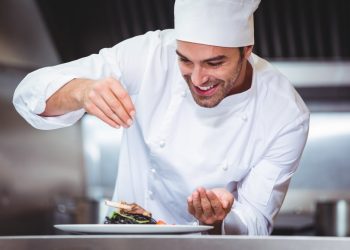
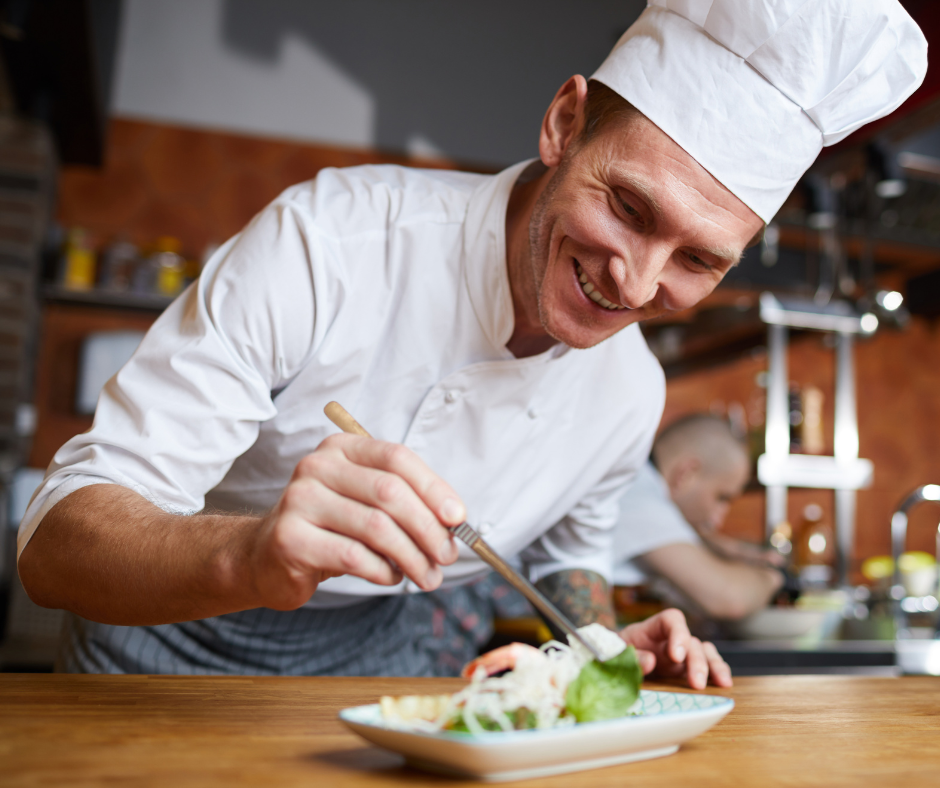
The old culinary adage that people eat with their eyes first has never been more relevant than it is in contemporary fine dining. Food presentation has shifted from a rigid, highly codified set of kitchen rules into a dynamic medium of artistic expression. A plate is no longer merely a vessel to hold food; it is a canvas where textures, colors, shapes, and structural geometry intersect to tell a story about the ingredients.
Understanding how culinary presentation has transitioned over the decades reveals a fascinating dialogue between classical technique and modern minimalism. By learning the foundational principles that top chefs use to build these dishes, home cooks and professional cooks alike can transform an ordinary meal into an extraordinary sensory experience.
The Historic Shift from Classical Rigidness to Naturalism
To appreciate modern presentation, one must first look at where it began. For generations, professional kitchens adhered strictly to classical French standards, which dictated highly symmetrical arrangements. Foods were molded into precise shapes, coated in heavy reflective glazes, and positioned around centerpieces according to the clock method, where proteins sat strictly at six o’clock, starches at ten o’clock, and vegetables at two o’clock.
The introduction of Nouvelle Cuisine began dismantling these strict parameters, prioritizing fresh, lighter ingredients and shifting the visual narrative toward asymmetry. Over the last decade, this evolution has progressed even further into a style known as Nordic naturalism or organic minimalism. Rather than forcing ingredients into uniform shapes, modern chefs celebrate the natural asymmetry of the food. A heirloom carrot is presented with its organic curves intact, and sauces are drizzled or swirled to mimic organic paths rather than painted in perfect, static geometric grids.
Pro Chef Secrets for Building Dimension and Structure
When you observe a dish prepared by an elite chef, it often possesses a striking three-dimensional quality. Flat plates look uninspired and uninviting. Creating height and negative space is essential to draw the eye toward the primary focal points of the dish.
Embracing Negative Space
One of the most common mistakes amateur cooks make is crowding the plate. Filling every square inch of the porcelain surface leaves the diner feeling overwhelmed. Professional chefs view empty porcelain, or negative space, as a critical ingredient in itself.
-
The Focal Point Rule: Restrict the primary food components to roughly one-third or one-half of the total surface area. Leaving the remaining space empty acts as a visual frame, immediately elevating the perceived value and sophistication of the food.
-
Offsetting the Center: Instead of placing the main protein directly in the middle of the dish, try offsetting it slightly to the left or right. This imbalance creates a sense of fluid movement and invites the guest to explore the plate visually.
Building Vertical Height
Flat food often translates to a dull culinary experience. To make a plate feel alive, you must build upward. This can be accomplished through layering and structural integration.
-
-
Stacking with Purpose: Place your main protein slightly on top of a starch base, such as a neat pile of roasted fingerling potatoes or a compact grain cake. This props the protein up, making it the undeniable star of the plate.
-
Utilizing Crispy Garnishes: Introduce verticality by leaning a delicate tuile, a dehydrated vegetable chip, or an elegant artisanal cracker against the central component. This adds immediate architectural height while giving the guest an indicator of the textures to expect.
-
Flavor and Visual Balance: Color and Texture Strategy
Visual appeal must never come at the expense of flavor. A beautiful plate that tastes disjointed is a failure. Every component placed on the surface must serve a definitive functional purpose, contributing to the taste profile, mouthfeel, or aromatic quality of the final bite.
The Power of Monochromatic and High-Contrast Palettes
Color coordination is an effective tool for setting the mood of a meal. Chefs generally utilize two distinct color strategies depending on the season and the nature of the ingredients.
-
High Contrast: Pairing vibrant, saturated colors against a clean white or deep matte black background creates an intense visual impact. For example, a bright green wild ramp oil drizzled across a pure white parsnip puree instantly grabs attention.
-
Monochromatic Layers: Grouping varying shades of the same color palette conveys a sense of elegance and sophistication. An autumn dish featuring roasted butternut squash, apricot reduction, chanterelle mushrooms, and a brown butter drizzle creates a warm, harmonious visual story.
Textural Contrast and Clean Lines
The visual appearance of a texture should hint at how it will feel in the mouth. Smooth surfaces should be perfectly silky, while crispy components should look unmistakably sharp and brittle.
-
Perfecting the Puree: To achieve the flawless, smooth swooshes seen in high-end restaurants, purees must be processed in a high-powered blender and passed through a fine mesh strainer to remove every single seed, fiber, or lump.
-
Controlled Condiment Drops: Use plastic squeeze bottles to place uniform dots of gel or emulsion on the plate. These clean drops provide concentrated bursts of flavor and acid while maintaining a tidy, intentional layout.
Essential Tools for Modern Presentation
Achieving professional results requires moving past standard serving spoons and forks. Investing in a few specialized plating tools allows you to manipulate components with surgical precision.
-
Precision Culinary Tweezers: Tweezers are indispensable for handling delicate microgreens, edible flower petals, or small grains. They prevent your fingers from smudging sauces or crushing fragile ingredients.
-
Offset Spatulas: A small, flexible offset spatula allows you to lift delicate fish filets or fragile pastry components cleanly off the workspace and deposit them onto the serving plate without tearing the edges.
-
Squeeze Bottles and Saucing Spoons: Squeeze bottles offer complete control over liquid viscosity, allowing for perfect droplets. Specialized saucing spoons with a tapered spout are ideal for creating controlled ribbons or wells of jus.
Frequently Asked Questions
How do you keep food piping hot when spending extra time on intricate plating?
Maintaining food temperature during intricate presentation is one of the hardest challenges in a kitchen. The primary solution is to thoroughly preheat your serving plates in a warm oven or a dedicated plate warmer before service. A cold porcelain plate will instantly pull the thermal energy out of hot food. Additionally, chefs practice rapid execution by setting up a disciplined mise en place where all garnishes are within arm’s reach, allowing the actual assembly to take less than thirty seconds per dish.
Are edible flowers and microgreens still considered modern, or are they outdated?
Edible flowers and microgreens are still widely used, but the style of application has changed. Dumping a handful of generic microgreens over a dish to hide mistakes is considered outdated. Modern plating dictates that these elements must be applied with extreme restraint and clear intent. The selected green or petal must possess a flavor profile that complements the dish, such as using peppery nasturtium petals for beef or bright sorrel leaves to add a clean citrus note to fish.
How do you determine whether to use a white, black, or textured plate for a specific dish?
The plate selection depends entirely on the contrast you want to achieve. Classic white porcelain remains the industry standard because it lets the natural colors of the food pop without interference. Matte black plates are excellent for bright, colorful vegetables like beets or corn, but can make dark meats look unappealing. Textured, earth-toned ceramic bowls work best for rustic, comfort-focused dishes, adding an organic, handcrafted feel that matches the culinary concept.
What is the secret to making a perfect sauce smear that does not look messy?
A clean sauce smear requires the perfect liquid viscosity. If the sauce is too thin, it will run across the plate; if it is too thick, it will look clumpy. The sauce should be the consistency of thick heavy cream or warm pudding. Place a single round pool of sauce on the plate, then take the back of a warm spoon, press it gently into the center of the pool, and drag it firmly in a smooth, continuous arc. Never go back over the smear a second time, as this destroys the clean lines.
Can you plate soft or liquid-heavy foods like stews and risottos in a modern style?
Yes, liquid-heavy foods are typically plated using depth and containment. For a perfect Italian risotto, the texture should be fluid enough to flatten out naturally when the bottom of the wide, shallow bowl is tapped against the counter, rather than stacking it high like rice. For stews, chefs often separate the main components, plating the beautifully seared meat and tender vegetables dry in the bowl first, and then pouring the hot, strained broth tableside from a small pitcher to add an interactive element.
How do you prevent crispy components from becoming soggy when placed on top of purees?
To preserve texture, never place a crispy component directly flat onto a wet puree or sauce. Instead, create a physical barrier using dry ingredients, such as a bed of toasted grains, crushed nuts, or a dry vegetable skin. Alternatively, you can gently balance the crispy element vertically against the main protein so that only a microscopic edge touches the moist surface, maintaining its structural integrity until it reaches the guest.