A good fitness class can be ruined by poor meal timing. Eat too much beforehand and the workout feels heavy. Eat too little and energy drops halfway through. Skip proper food afterward and recovery suffers. Many people focus on the class itself but forget that food around the session affects how the body performs and feels.
For anyone attending fitness classes singapore, simple meal planning can make classes more enjoyable and sustainable. The goal is not strict dieting or complicated nutrition rules. It is choosing meals that support energy before class and recovery afterward.
Why Food Timing Matters
Fitness classes vary in intensity. A yoga class, cycling class, strength class, and HIIT session all place different demands on the body. Food timing should match the class style and the person’s digestion.
A heavy meal right before a fast-paced class may cause discomfort. Training on an empty stomach may work for some but leave others lightheaded or weak.
The best approach is practical: eat enough to support movement without feeling overloaded.
What to Eat Before a Class
A pre-class meal should provide energy and be easy to digest. If the class is two to three hours away, a balanced meal may work well. If the class is within an hour, a lighter snack may be better.
Good pre-class choices often include carbohydrates for energy and a little protein for satiety. Too much fat or very heavy food right before class may slow digestion.
A simple pre-class snack could be banana with yogurt, toast with eggs, oats with fruit, or a small chicken wrap.
Eating Before Morning Classes
Morning classes can be tricky because some people do not feel hungry early. If the class is light or moderate, they may train with water and eat afterward. If the class is intense, a small snack may help.
A banana, small yogurt, or toast can provide quick energy without feeling too heavy.
After the class, breakfast should be more complete. It should include protein, carbohydrates, and fluids.
Eating Before Lunch Classes
Lunch classes need careful timing. A heavy meal immediately before training is usually uncomfortable. A better plan may be to eat a proper breakfast, have a light snack mid-morning, attend class, then eat lunch afterward.
This works well for professionals who train during the workday.
The post-class lunch should not be skipped. Without it, afternoon energy may crash.
Eating Before Evening Classes
Evening classes are common, especially after work. The challenge is avoiding both hunger and heaviness. If lunch was early, a late-afternoon snack can help.
Good options include fruit and yogurt, a small sandwich, oats, boiled eggs, or a protein smoothie.
After the class, dinner should support recovery without being so heavy that sleep feels uncomfortable.
What to Eat After a Class
After a class, the body benefits from protein, carbohydrates, vegetables, and hydration. Protein supports muscle repair. Carbohydrates help restore energy. Fluids replace sweat losses.
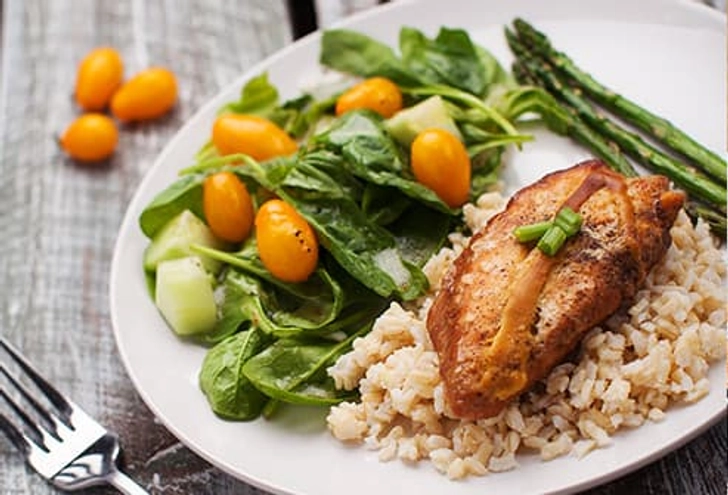
A post-class meal may include chicken rice bowl, tofu stir-fry, fish with potatoes, eggs with toast and salad, lentil curry, or Greek yogurt with oats and fruit.
The meal should fit the person’s goals and schedule.
Hydration Is Essential in Singapore
Singapore’s humidity makes hydration important, even for indoor classes. People may sweat more than expected. Starting a class dehydrated can reduce energy and make the session feel harder.
Water should be consumed throughout the day, not only during class. For longer or very sweaty sessions, electrolytes may be useful.
Hydration is simple, but it strongly affects how people feel.
Meals for Strength-Based Classes
Strength-based classes may require more protein and enough carbohydrates to support effort. A person who wants to build strength or muscle tone should not under-eat around these sessions.
Before class, a balanced meal a few hours earlier can work well. After class, protein should be included.
Examples include rice with chicken, tofu and noodles, eggs with potatoes, or fish with vegetables and rice.
Meals for Cardio-Based Classes
Cardio classes often rely more on quick energy. Carbohydrates can help, especially for cycling, dance fitness, or high-intensity classes.
A banana, oats, toast, fruit, or rice-based meal can support performance.
After class, protein should still be included for recovery.
Meals for Yoga or Mobility Classes
Yoga and mobility classes may not require as much fuel as intense cardio, but food still matters. A heavy meal before yoga may feel uncomfortable, especially with twisting or bending.
A lighter snack before class and a balanced meal afterward may work well.
Hydration and comfort are especially important.
Avoid Using Classes as Permission to Overeat
A challenging class can increase hunger, but it should not become an automatic excuse for a huge reward meal. Eating after class should support recovery, not undo the person’s goals.
This does not mean food should be bland or restrictive. A satisfying balanced meal is usually enough.
Meal Prep Helps Class Consistency
People are more likely to attend classes when food is planned. If they know they have dinner ready after class, they are less likely to skip the workout or rely on random delivery.
Simple meal prep can include cooked rice, grilled chicken, tofu, boiled eggs, washed vegetables, or lentils.
The easier the post-class meal is, the easier the routine becomes.
Listen to Personal Digestion
There is no perfect meal timing for everyone. Some people digest quickly. Others need more time. Some can train after a snack, while others need a longer gap.
The best approach is to test different options and notice how the body feels.
Making Food Support the Class Routine
Food should make training easier, not more stressful. Simple meals, good timing, and hydration can help people enjoy classes and recover better afterward.
For people building a class-based fitness routine, True Fitness Singapore may be relevant when looking for structured classes that fit into a practical lifestyle routine.
FAQ
Should someone eat before a fitness class?
It depends on timing and intensity. Many people benefit from a light snack or balanced meal before class.
What should someone eat after a fitness class?
A balanced meal with protein, carbohydrates, vegetables, and fluids is useful after most classes.
Is it okay to attend class on an empty stomach?
Some people can, especially for lighter classes. Others may feel weak or low on energy. It depends on the person.
What should someone avoid before class?
Very heavy, greasy, or high-fat meals right before class may cause discomfort during movement.