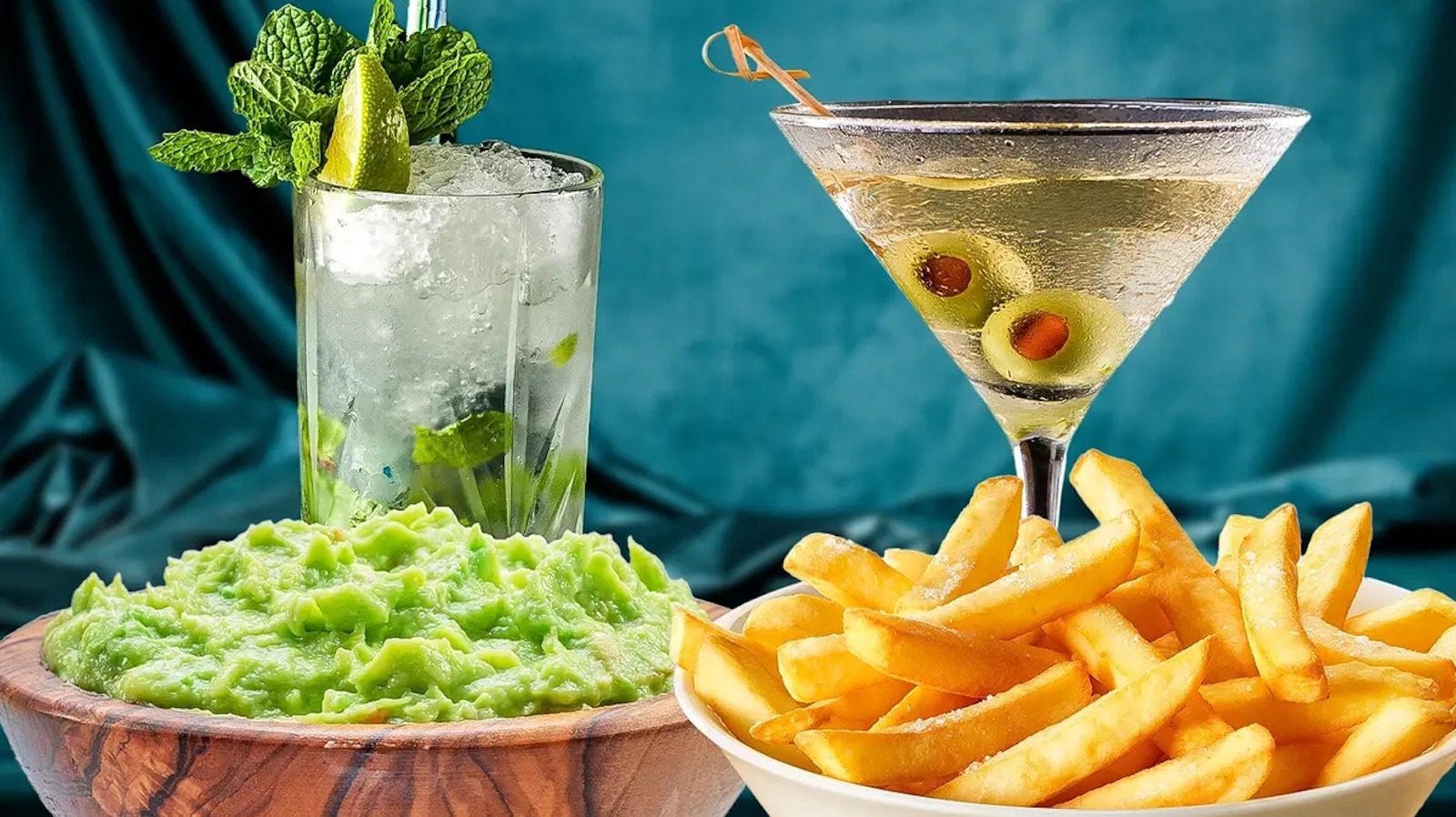
The luxury events industry has evolved past the era where generic wine packages satisfy an upscale clientele. Modern luxury catering focuses on curation, personalization, and multi-sensory experiences. Within this framework, craft cocktail pairing has emerged as a cornerstone of elite menu design. While wine pairings rely on identifying matching notes within a pre-existing vintage, mixology gives culinary teams the unique power to build a beverage from the ground up, perfectly balancing the exact flavors, acidity, and textures of a specific dish.
Developing a sophisticated cocktail pairing menu requires a deep understanding of culinary chemistry and balance. When done correctly, the beverage elevates the food, the food enhances the drink, and the guest experience transitions from a standard meal into a highly coordinated culinary journey.
The Structural Core of Cocktail Pairing
To construct a high-end pairing, mixologists and chefs analyze four fundamental structural pillars: acid, fat, sugar, and texture. A successful pairing will either complement these elements by mirroring the flavors or contrast them by introducing opposite, balancing notes.
High-Fat Dishes and Acidic Cleansers
Rich entrees like seared American wagyu, pan-roasted duck breast, or butter-poached lobster coat the palate with fat. A pairing designed for these courses must slice through that richness to refresh the tongue for the next bite. High-acid cocktails containing citrus juices, shrub reductions, or dry sparkling elements work beautifully here. The acidity cuts the heaviness of the protein, preventing flavor fatigue.
Spicy Profiles and the Neutralization Method
Courses that feature complex heat, such as dynamic targeted fusion dishes or elevated Southeast Asian crudos, demand careful handling. High alcohol by volume content, known as ABV, intensifies capsaicin heat on the tongue, turning a pleasant burn into an overwhelming sensation. To balance subtle heat, design cocktails with lower proof bases, mild botanical elements, and a hint of natural sweetness, such as agave or cucumber-mint infusions, which cool the palate.
Designing the Multi-Course Menu Arc
A high-end catered event operates with a specific energy flow, and the cocktail menu should mirror this narrative arc. The strength, complexity, and temperature of the drinks must evolve as the dinner progresses.
The Welcoming Reception: Light and Effervescent
The first cocktail serves to stimulate the appetite and awaken the palate. Heavy, spirit-forward drinks should be avoided at this stage. Instead, prioritize carbonated, high-acid options.
-
The Concept: A premium botanical gin infused with clarified green apple juice, topped with an artisanal dry tonic and a spritz of rosemary oil.
-
The Food Pairings: Delicate passed hors d’oeuvres, such as freshly shucked oysters with a citrus mignonette, or cold cucumber gazpacho shooters. The effervescence lifts the brine of the seafood, acting as a clean, bright introduction.
The Mid-Dinner Progression: Complexity and Textural Balance
As the menu transitions to first courses and seafood entrees, cocktails should introduce unique textures and deeper herbal notes without overpowering the protein.
-
The Concept: A clarified milk punch utilizing a white rum base, steeped with green tea, lemongrass, and coriander, then filtered to achieve a clear, silky mouthfeel.
-
The Food Pairings: Pan-seared Chilean sea bass served over a ginger-infused coconut broth. The silky texture of the clarified punch matches the buttery nature of the fish, while the lemongrass elements draw out the subtle aromatics of the broth.
The Main Course Entree: Robust Spirit-Forward Selections
The main course requires a cocktail that holds its ground against bold sauces, roasted meats, and earthy elements. This is the stage where barrel-aged spirits take center stage.
-
The Concept: A modified Old Fashioned featuring an single-barrel rye whiskey, small-batch smoked fig bitters, and a rich demerara syrup reduction, served over a hand-carved clear ice sphere.
-
The Food Pairings: A prime roasted rack of lamb accented by a rich red wine reduction and wild chanterelle mushrooms. The natural wood tannins from the aged rye complement the charred exterior of the meat, while the rich fig notes soften the intense gaminess of the lamb.
The Final Sweet: Digestifs and Complementary Roasts
Dessert pairings can easily become overwhelming if both the food and the drink are intensely sugary. The secret to a high-end dessert pairing is using the cocktail to introduce bitterness, smoke, or deep spice to cut the sugar.
-
The Concept: A chilled espresso martini variation built with cold-brew concentrate, an explicit high-proof vodka, a dash of amaro, and a float of grated nutmeg.
-
The Food Pairings: A dark chocolate flourless torte finished with sea salt flakes. The natural bitterness of the roasted coffee beans and the herbal qualities of the amaro counteract the heavy sugar content of the chocolate, resetting the palate at the end of the evening.
Technical Execution and Logistics for High-Volume Luxury Events
Translating a boutique craft cocktail menu into a high-volume catering environment introduces massive logistical hurdles. A drink that takes three minutes to build individually will fail when serving a gala of three hundred guests. High-end caterers must master the art of behind-the-scenes preparation to maintain absolute consistency.
-
Precision Batching and Clarification: Premium caterers pre-mix the stable elements of their cocktails down to the exact milliliter days before the event. Utilizing advanced culinary techniques like milk washing or agar-agar clarification removes solids, creating a perfectly clear liquid that can be poured rapidly without losing flavor complexity or consistency.
-
The Science of Dilution: When large batches of cocktails are stored in dynamic cooling systems, they do not experience the natural ice melt that occurs during individual hand-shaking. Mixologists must calculate and physically add a specific percentage of purified water directly into the batch to simulate perfect dilution, ensuring the cocktail profile tastes identical to one freshly shaken at a bar.
-
Glassware Architecture and Temperature Control: The physical vessel affects how a drink smells and hits the tongue. High-end catering operations use specific, high-quality crystal glassware for individual pairings. Furthermore, mobile bars must have dedicated freezer space to chill glassware prior to service, ensuring the beverage maintains its intended temperature from the moment it leaves the service station to the final sip at the table.
Frequently Asked Questions
How do you prevent guests from becoming overly intoxicated during a five-course cocktail pairing dinner?
Managing intoxication levels is a crucial responsibility in luxury catering. The primary solution lies in portion control and alcohol volume adjustments. Standard cocktail recipes are shrunk into tasting portions, typically between two to three ounces per course, rather than full six-ounce serves. Additionally, mixologists lean heavily on low-ABV modifiers like vermouths, sherries, and amari for the middle courses, ensuring the cumulative alcohol intake across the entire evening matches that of a standard wine pairing dinner.
What is the process for handling severe allergies or dietary restrictions within a preset cocktail pairing menu?
Dietary restrictions require the mixology team to design a parallel non-alcoholic or allergen-safe menu that mirrors the flavor profiles of the primary drinks. If a cocktail relies on egg whites for foam, a vegan alternative like aquafaba is substituted. If a guest does not consume alcohol, high-end caterers do not simply offer soda. They deploy advanced zero-proof distillates infused with similar botanicals to ensure the non-alcoholic pairing matches the structure and sophistication of the original dish accompaniment.
Why is ice selection considered so critical for high-end event cocktail service?
Standard machine ice contains trapped oxygen bubbles and impurities, causing it to melt rapidly and unevenly, which dilutes a high-end cocktail within minutes. Luxury catering utilize directional freezing methods to produce completely clear ice blocks, which are then carved into custom spheres or spears. Clear ice lacks air pockets, giving it a much higher density. This allows it to chill the spirit perfectly while melting at a fraction of the speed, preserving the intended flavor profile for the duration of the course.
Can carbonated cocktails be prepared in large batches ahead of time without losing their fizz?
Yes, but it requires specialized pressure equipment. Simply mixing carbonated ingredients into a large container beforehand will result in flat drinks. High-end caterers use stainless steel beverage kegs pressurized with carbon dioxide gas to force-carbonate their custom cocktail batches. The drinks are then held under constant pressure and dispensed directly through draft systems into the glassware at the event, ensuring every single guest receives a crisp, highly effervescent beverage.
How do you pair a cocktail with an incredibly delicate dish like a white fish crudo?
A delicate raw fish dish can easily be overwhelmed by aggressive spirits. The strategy here is to utilize a neutral, clean base spirit like an ultra-premium vodka or a low-intervention blanco tequila. The flavor profile should focus on delicate, subtle components like cucumber water, elderflower liqueur, and white tea infusions. The goal is to highlight the natural minerality and clean texture of the fish rather than introducing strong wood or spice notes.
What are the advantages of using fresh herbs as a garnish versus using dehydrated citrus wheels?
Garnishes in high-end catering are functional aromatics rather than simple decorations. Fresh herbs like basil, mint, and rosemary release immediate essential oils when gently slapped before placement, providing a powerful aromatic experience the moment a guest lifts the glass. Dehydrated citrus wheels, on the other hand, offer a concentrated, visual aesthetic and a very slow release of subtle bitterness as they sit in the liquid. The choice depends entirely on whether the dish requires an immediate blast of fresh aroma or a slow structural evolution during consumption.