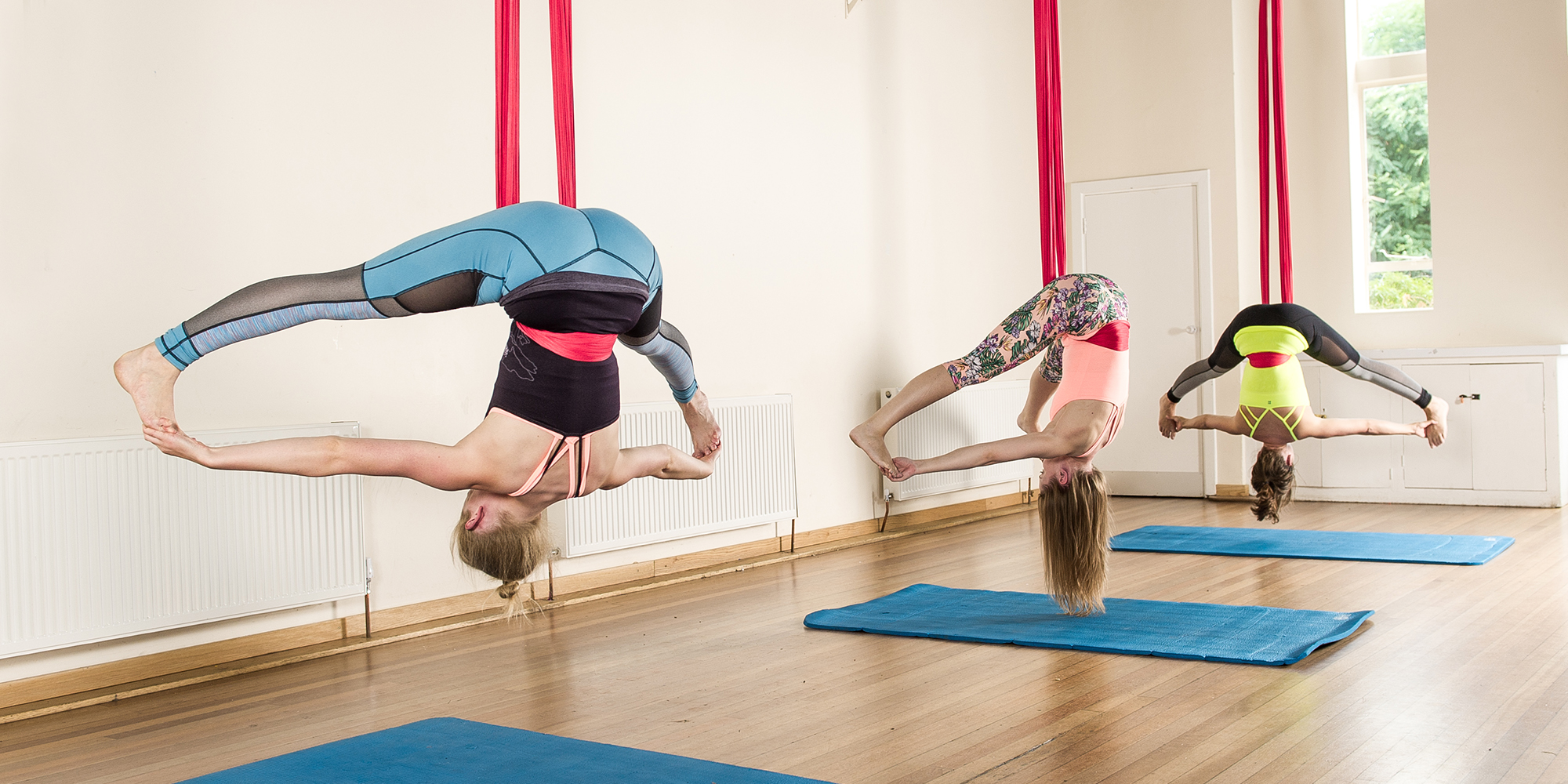
Food timing and quality matter enormously in any physical practice, but aerial yoga creates specific nutritional demands that most general fitness nutrition advice does not adequately address. The combination of core engagement, grip work, sustained muscle activation, inversion sequences, and controlled breathing that characterises an aerial session requires both stable energy availability and considered post-session recovery nutrition. For practitioners in Singapore, where food culture is rich, accessible, and wonderfully diverse, matching that food culture to the physiological demands of Aerial yoga is entirely practical and genuinely enjoyable.
This guide covers the science of what to eat and when, addresses the specific challenge of eating before inversions, and offers realistic Singapore-specific food choices that serve the aerial yoga practitioner well.
Understanding What Aerial Yoga Actually Demands Nutritionally
Before discussing specific foods, it is worth understanding the nutritional demands of aerial yoga as a distinct physical activity. An aerial yoga session typically lasts sixty to ninety minutes and involves:
- Sustained isometric muscle engagement across the core, shoulders, and arms
- Grip-intensive work requiring forearm and hand strength
- Periodic cardiovascular elevation during dynamic sequences
- Inversion poses that shift blood distribution within the body
- Deep stretching that stresses muscle fascia and connective tissue
- A parasympathetic wind-down phase that promotes recovery
This profile differs significantly from steady-state cardio, heavy weightlifting, or even standard mat yoga. The energy system demands are mixed, drawing on both aerobic metabolism and localised muscular endurance. Recovery nutrition needs to address connective tissue repair, muscle glycogen replenishment, and hydration, with additional attention to anti-inflammatory support given the fascia stress involved in deep flexibility work.
Pre-Session Nutrition: The Inversion Problem
The single most important nutritional consideration unique to aerial yoga is the inversion problem. When you turn upside down, the contents of your digestive system are subject to gravitational reversal. A full or even moderately full stomach during an inversion can cause significant discomfort, nausea, and acid reflux. For newcomers to aerial yoga, eating too close to class is one of the most common causes of a negative first experience.
The general guideline is to avoid eating a full meal for at least two to two and a half hours before an aerial session. This allows the stomach sufficient time to empty adequately. Light snacks can be consumed up to sixty to ninety minutes before class, provided they are low in fat and fibre, both of which slow gastric emptying.
Foods that are well-tolerated close to an aerial session include:
- A small banana, which provides quick carbohydrates without gut irritation
- A few plain crackers with a thin spread of nut butter
- A small serving of plain rice congee if practising in the morning
- Half a serving of overnight oats with minimal added fat
- A light fruit smoothie made without high-fibre seeds
Foods to avoid in the two hours before practice include anything fried, heavily spiced, high in dairy fat, high in fibre such as raw vegetables and legumes, or high in protein and fat such as a full chicken rice plate. The nasi lemak that is excellent for breakfast most mornings is a poor pre-aerial yoga choice due to its coconut milk fat content and the sambal’s potential for acid reflux.
Hydration Before and During Practice
Singapore’s humidity means that practitioners begin their sessions with a higher baseline hydration requirement than people exercising in temperate climates. Dehydration accelerates muscle fatigue, reduces grip strength, impairs proprioception, and increases the risk of muscle cramps during held aerial poses.
Drink water consistently throughout the day on practice days rather than attempting to front-load hydration in the hour before class. Two hundred to four hundred millilitres of water consumed thirty to forty-five minutes before class is appropriate. During class, small sips during rest periods are fine. Large volumes of water mid-session should be avoided as they increase stomach fullness and inversion discomfort.
Electrolyte replacement is worth considering for practitioners attending multiple classes per week or sweating heavily. Coconut water is an excellent natural electrolyte source well-suited to Singapore’s climate. A small glass before or after class provides potassium, magnesium, and sodium without the sugar load of commercial sports drinks.
Carbohydrate Timing for Sustained Energy
Aerial yoga sessions require a steady supply of available glucose for both muscular work and sustained focus. Arriving at class in a glycogen-depleted state, after skipping a meal or training in a prolonged fasted state, reduces performance quality, increases the likelihood of muscular fatigue in the middle of dynamic sequences, and can cause dizziness during inversions.
The goal is to arrive at class with moderate glycogen availability without a full stomach. This is best achieved by eating a balanced, moderate-carbohydrate meal two to three hours before practice. Good options available widely in Singapore include:
- Yong tau foo with a moderate serving of noodles and minimal fried items
- Chicken porridge without the added oil and minimal fried toppings
- A light ban mian with an egg and leafy greens
- Wholegrain toast with eggs and sliced avocado, keeping the portion moderate
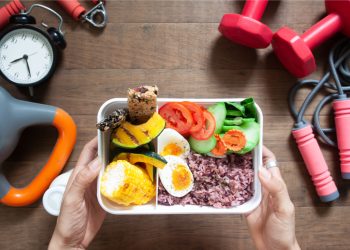
- A rice bowl with a grilled protein and steamed vegetables from a healthy food stall
For morning practitioners who prefer an early class and do not want a full pre-class meal, a small, easily digestible snack thirty to forty-five minutes before class provides enough fuel without digestive risk.
Post-Session Nutrition: The Recovery Window
The sixty to ninety minutes following an aerial yoga session represent an important recovery window. During this period, the muscles are primed to absorb glucose for glycogen replenishment, muscle protein synthesis is elevated, and the body is actively repairing connective tissue and managing the inflammatory response to exercise-induced stress.
A post-session meal or snack should combine:
- A moderate serving of carbohydrate to replenish glycogen
- A quality protein source to support muscle repair
- Anti-inflammatory foods to manage exercise-induced inflammation, which is particularly relevant given aerial yoga’s connective tissue demands
- Adequate hydration to replace fluids lost during the session
Excellent post-aerial yoga meal options accessible in Singapore include:
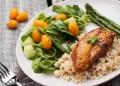
- Steamed fish with brown rice and stir-fried vegetables, a nutrient-dense combination that ticks every recovery box
- A salmon avocado rice bowl from a healthy food concept, providing omega-3 fatty acids that specifically support connective tissue recovery
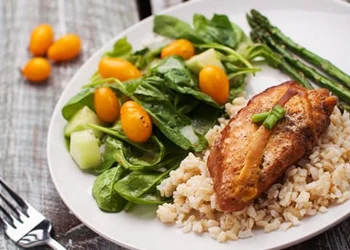
- Grilled chicken with quinoa and roasted vegetables
- Tofu and egg soup with a serving of multigrain rice
- A protein smoothie made with a plant or whey protein, banana, spinach, and almond milk for those who prefer a lighter post-session option
Nutrients That Specifically Support Aerial Yoga Recovery
Beyond the broad macronutrient framework, certain micronutrients deserve attention for aerial yoga practitioners because of the specific physiological demands the practice places on the body.
Collagen synthesis, which is essential for maintaining the health of the connective tissue, tendons, and fascia that aerial yoga stresses, is dependent on vitamin C. Consuming a vitamin C-rich food, such as guava, papaya, or fresh citrus, alongside a protein-rich post-session meal enhances the body’s ability to repair and maintain these tissues.
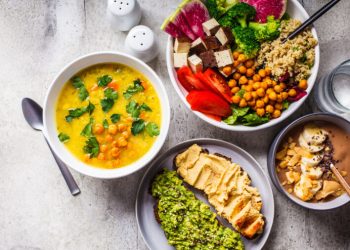
Magnesium is involved in over three hundred enzymatic reactions including muscle relaxation and energy metabolism. It is commonly deficient in people eating modern, processed diets. Dark leafy greens, tofu, pumpkin seeds, and nuts are good magnesium sources that integrate easily into Singapore food choices.
Tart cherry juice or whole cherries have been studied specifically for their ability to reduce exercise-induced muscle soreness and support sleep quality, both relevant for regular aerial yoga practitioners. They are available in most Singapore supermarkets and health food stores.
Caffeine, Alcohol, and Practice Quality
Caffeine in moderate amounts, consumed one to two hours before an aerial class, does not generally impair performance and may provide a mild benefit to focus and muscular endurance. However, large amounts of caffeine increase anxiety, can worsen inversion-related dizziness in sensitive individuals, and may contribute to dehydration.
Alcohol should be avoided on practice days. Beyond its well-known effects on coordination and balance, both highly relevant to aerial work, alcohol impairs proprioception, weakens grip strength, and disrupts the post-session muscle repair process by interfering with protein synthesis.
Eating Well for Singapore’s Aerial Yoga Practitioners
Navigating good nutrition in Singapore is genuinely manageable. The food culture here, with its access to fresh produce markets, clean protein sources at hawker centres, and a growing number of health-conscious food concepts, supports excellent nutritional practice for active people. The key is to match food timing and composition to the specific demands of the aerial practice rather than following generic gym nutrition advice that does not account for inversions.
Practitioners who attend classes at Yoga Edition and want personalised guidance on aligning their nutrition with their practice can also consult registered dietitians in Singapore who work with active populations.
Frequently Asked Questions
Q: Can I do aerial yoga on a completely empty stomach, for example first thing in the morning before breakfast? A: It is possible but not ideal for most people. Practising in a fully fasted state increases the risk of dizziness during inversions and reduces muscular endurance during dynamic sequences. A small, easily digestible snack thirty to forty-five minutes before a morning class is preferable.
Q: My aerial yoga class is at lunchtime. How should I manage my morning breakfast and pre-class eating? A: Have a normal, balanced breakfast by 8 to 9 am. If your class is at noon, you can have a very light snack such as a piece of fruit or a few crackers around 10:30 to 11 am if you feel hungry. Avoid eating a full second meal between breakfast and class.
Q: Are there specific supplements that help with the grip strength required for aerial yoga? A: Creatine monohydrate has modest evidence supporting muscular endurance in short-duration, high-effort muscle contractions, which includes grip work. Collagen peptides taken with vitamin C have growing evidence for tendon and connective tissue support. However, a well-balanced diet addressing overall protein and micronutrient needs is the foundation, and supplements should not replace good food choices.
Q: What is the best thing to eat after an aerial yoga session if I am trying to lose weight? A: A post-session snack or meal is still important even during weight loss, as skipping recovery nutrition impairs muscle repair and can increase muscle loss relative to fat. Prioritise a protein-rich, moderate-carbohydrate option such as grilled chicken with vegetables or tofu soup with brown rice, keeping the overall calorie level in line with your daily targets.
Q: Does the humidity in Singapore affect how I should hydrate around aerial yoga practice? A: Yes, significantly. Singapore’s year-round heat and humidity increase sweat rate during any physical activity, even in an air-conditioned studio. Practitioners in Singapore should aim for slightly higher daily fluid intake than standard guidelines recommend, and should not wait for thirst to signal hydration need during training days.