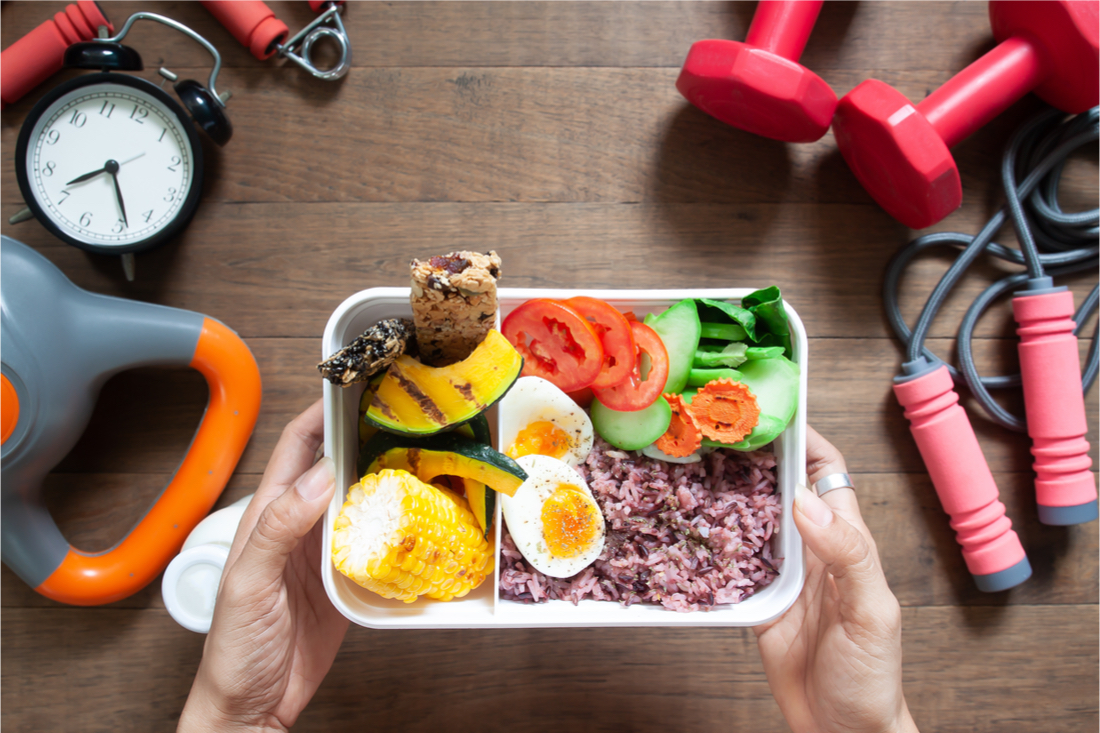
Ask most Singapore gym-goers about their nutrition and you will hear some version of the same story. Protein shakes after training, trying to eat less in general, and vague awareness that they should probably eat something before working out but often not getting around to it. Nutrition timing and composition are not complicated, but they are misunderstood widely enough that many people training hard at a gym Singapore residents depend on are significantly under-recovering and under-fuelling their sessions without realising it. Using Singapore’s remarkable food environment, with its hawker centres, supermarkets, and convenience stores within walking distance of virtually every location in the city, eating well around training is genuinely accessible without expensive supplements or complicated meal preparation.
Why What You Eat Around Training Actually Matters
Before getting into specific foods, it is worth addressing the most common question: does nutrient timing around training actually matter, or is total daily intake what counts?
The honest answer is that both matter, but for different reasons and to different degrees depending on who you are.
Total daily protein and calorie intake over 24 hours is the primary driver of muscle building and body composition change. If you consistently eat adequate protein across the day and maintain an appropriate caloric intake for your goals, you will make progress regardless of whether those nutrients are perfectly timed around your workouts.
However, what you eat before and after training influences the quality of the session itself, recovery speed, and how well your body uses the training stimulus. For Singapore gym-goers who train hard and want to maximise results from the time they invest in the gym, getting pre and post-workout nutrition right is a meaningful upgrade, even if it is not the foundational requirement that total daily intake is.
Pre-Workout Nutrition: What Your Body Actually Needs
The purpose of a pre-workout meal or snack is to ensure you have readily available fuel for the session and to prevent the performance-impairing effects of low blood glucose during training. What you eat and when depends significantly on what time of day you train.
Macronutrient composition Carbohydrates are the primary fuel for moderate to high intensity exercise. Muscle glycogen, which is stored glucose from dietary carbohydrate, is the dominant fuel source during the kind of training most Singapore gym-goers do: resistance training, HIIT, group fitness classes. Eating carbohydrates before training helps ensure your glycogen stores are adequately topped up.
Protein before training also has value. Research has shown that amino acid availability during and after training improves muscle protein synthesis. A moderate protein intake before training contributes to this pool of available amino acids.
Fat slows gastric emptying, meaning it slows the absorption of other nutrients. A small amount of fat before training is not problematic, but a high-fat pre-workout meal can leave you feeling heavy and slow nutrient delivery during the session.
Timing A full meal is ideally consumed two to three hours before training to allow digestion and avoid gastric discomfort during the workout. A smaller snack can be consumed 30 to 60 minutes before training for those who do not have the option of a full meal in advance.
Pre-Workout Meals from Singapore’s Hawker Centres
Singapore’s hawker centres and food courts provide excellent pre-workout meal options at reasonable prices. The key is choosing dishes that provide adequate carbohydrates and moderate protein without excessive fat or dietary fibre that could cause discomfort during training.
Yong Tau Foo (without thick gravy) Yong tau foo allows you to choose your own components, making it highly customisable for pre-workout purposes. Select tofu, fish paste items, and leafy vegetables in a clear soup. Add noodles or rice for carbohydrates. The result is a moderate protein, moderate carbohydrate, low-fat meal that digests comfortably within two hours.
Chicken Rice (breast meat, light sauce, no skin) Chicken rice provides the carbohydrate base of steamed rice alongside lean protein from breast meat without the saturated fat of the skin or the sodium load of heavy dipping sauces. Request light sauce or no sauce to keep the sodium content moderate. This is one of the most balanced pre-workout hawker options available in Singapore.
Ban Mian or Mee Sua in Clear Broth Noodle soups in clear broth provide easily digestible carbohydrates from the noodles and moderate protein from egg and minced meat. The liquid base supports hydration, and the clear broth keeps fat content low. Avoid coconut milk-based soups like laksa immediately before training as the fat content is high and digestion is slower.
Economy Rice with Lean Protein and Vegetables Economy rice (cai fan) stalls are among the most nutritionally flexible hawker options. Choose steamed or braised lean protein such as steamed fish, braised tofu, or grilled chicken alongside at least one vegetable dish. Keep the rice portion moderate, one to one and a half scoops, and avoid items fried in heavy batter immediately before training.
Pre-Workout Options for Early Morning Trainers
Training first thing in the morning, which is a popular choice in Singapore given the heat later in the day, presents a specific nutrition challenge. Many people cannot comfortably eat a full meal at 5:30am before a 6:00am session.
For early morning training, the priority shifts based on the session type. For moderate intensity sessions under 60 minutes, training in a fasted or lightly-fed state is physiologically manageable for most people and will not meaningfully impair performance. For high-intensity sessions or sessions longer than 60 minutes, a small, easily digestible pre-workout snack is worth the modest effort.
Practical early morning pre-workout options available across Singapore:
- One to two slices of wholemeal bread with a thin spread of peanut butter or a poached egg (carbohydrates plus a small protein and fat component)
- A ripe banana with a glass of low-fat milk (quick-releasing carbohydrates plus protein and calcium)
- Half a cup of rolled oats prepared the night before with milk and a small portion of fruit
- A small container of Greek yoghurt with a tablespoon of honey
These options can be prepared in advance, require minimal morning effort, and provide enough fuel for a productive session without causing digestive discomfort.
Post-Workout Nutrition: The Recovery Window
The post-workout period is when your body is primed to begin repairing damaged muscle tissue and replenishing depleted glycogen stores. Both protein and carbohydrates play specific roles in recovery.
Protein for muscle repair The stimulus for muscle growth provided by resistance training is only converted into actual muscle if adequate protein is available for the repair process. Consuming 25 to 40 grams of high-quality protein within one to two hours after training maximises the muscle protein synthesis response. The exact timing matters less than previously thought, but consuming protein relatively promptly after training, particularly if your next meal is several hours away, is a sensible practice.
Carbohydrates for glycogen replenishment Muscle glycogen depleted during training needs to be replenished for recovery and for performance in subsequent sessions. Carbohydrates consumed post-workout are preferentially directed toward glycogen replenishment. For gym-goers who train multiple times per week, particularly those with sessions on consecutive days, post-workout carbohydrate consumption is an important component of recovery.
Post-Workout Meals from Singapore’s Food Culture
Singapore’s local food options are well suited to post-workout recovery without requiring protein shakes or imported foods.
Fish soup with rice or noodles Fish soup is one of the best post-workout meals available in Singapore’s hawker ecosystem. Sliced fish provides high-quality, easily digestible protein. Adding rice or noodles provides the carbohydrate component for glycogen replenishment. The warm broth supports rehydration. This combination ticks every post-workout nutritional requirement at a cost typically below SGD 7.
Eggs in any form Eggs are among the highest biological value protein sources available, meaning the protein they contain is efficiently used by the body. Singapore’s widespread availability of egg dishes, from the iconic soft-boiled kaya toast eggs to omelettes, scrambled eggs, and poached eggs on rice, makes meeting post-workout protein requirements through eggs a practical and affordable strategy. Three eggs provide approximately 18 grams of complete protein at negligible cost.
Tofu-based dishes Tofu is an underutilised post-workout protein source in Singapore’s gym community. Silken tofu dishes provide moderate protein alongside a favourable micronutrient profile. Harder tofu varieties such as tau kwa contain more protein per serve. Combined with rice or noodles and vegetables at any hawker centre, tofu-based meals provide a complete post-workout nutritional package.
Chicken or fish at economy rice stalls The economy rice (cai fan) format remains one of the most practical post-workout meal options in Singapore. The ability to select multiple dishes allows you to construct a high-protein, moderate carbohydrate meal aligned with your recovery requirements at low cost and in minutes.
Late Night Training and the Nutrition Dilemma
A significant proportion of Singapore gym-goers train in the evening, often finishing sessions between 9pm and 10pm. The question of whether to eat after a late training session is common, and the answer is yes, you should.
The muscle protein synthesis signal triggered by training remains elevated for several hours post-workout. Skipping post-workout nutrition to avoid late-night eating leaves this window without the protein required to convert the training stimulus into adaptation. The practical concern about eating late is primarily caloric, not metabolic.
The solution is a post-workout meal that is high in protein and moderate in carbohydrates without being a large caloric surplus. Fish soup, a protein shake with milk, Greek yoghurt, or two to three eggs with a small serve of rice are all appropriate. The goal is to satisfy the recovery nutritional requirements without significantly increasing total daily caloric intake beyond your target.
Singapore’s 24-hour food culture actually makes late-night post-workout eating straightforward. Many hawker centres and food courts operate past midnight, and convenience stores across the island stock adequate protein options at any hour.
For gym-goers wanting personalised nutrition guidance alongside their training programme, TFX Singapore offers fitness consultations that address both training and nutritional strategy as part of a comprehensive approach to member results.
FAQ
Q: Should I eat differently on rest days compared to training days?
A: Yes, but the difference is typically modest rather than dramatic. On rest days, your body continues to repair and adapt from previous training sessions and still requires adequate protein to support this process. Carbohydrate needs are somewhat lower on rest days since you are not depleting glycogen through exercise, so slightly reducing starchy carbohydrate portions while maintaining protein intake is a reasonable approach. Caloric intake on rest days for most gym-goers can be 10 to 15 percent lower than on training days without negatively affecting recovery or performance.
Q: Is intermittent fasting compatible with regular gym training?
A: Intermittent fasting can be compatible with gym training when implemented thoughtfully, but the standard protocols require adjustment for training days. The most common issue is training in a fully fasted state for high-intensity or resistance training sessions that are longer than 45 to 60 minutes. Performance in these sessions can be meaningfully impaired without pre-workout carbohydrates. For intermittent fasting gym-goers, timing the training session close to the start of the eating window, so that both pre-workout fuelling and post-workout recovery nutrition fall within the eating window, is the most practical approach. Fasted training works better for lower intensity aerobic sessions than for high-intensity or heavy resistance work.
Q: How important are protein shakes compared to food sources for muscle building?
A: Protein shakes are not required for muscle building and offer no physiological advantage over equivalent amounts of protein from whole food sources. They are a convenient delivery mechanism for protein when whole food is unavailable or impractical. The total daily protein intake from any combination of sources is what drives muscle protein synthesis over time. For Singapore gym-goers who have consistent access to quality protein through hawker and home meals, protein shakes are a supplement in the literal sense: useful additions when needed, not foundations of a nutrition strategy.
Q: What should I drink before, during, and after training in Singapore’s heat?
A: Hydration is particularly important in Singapore where even air-conditioned training environments involve ambient warmth and humidity. Before training, consuming 400 to 600ml of water in the two hours before your session supports adequate pre-workout hydration. During sessions under 60 minutes, water is sufficient for most gym-goers. For sessions over 60 minutes or particularly intense sessions, an electrolyte drink or electrolyte tablets in water helps replace sodium and other minerals lost through sweat. Post-workout rehydration should target replacing 125 to 150 percent of fluid lost during the session. A practical guide is monitoring urine colour, which should return to pale yellow within a few hours of training if hydration is adequate.
Q: Does eating carbohydrates at night cause fat gain?
A: No, eating carbohydrates at night does not directly cause fat gain. Fat gain occurs when total caloric intake consistently exceeds total energy expenditure over time, regardless of the time of day at which those calories are consumed. The body does not preferentially store carbohydrates as fat at night in a meaningfully different way than at other times of day. For Singapore gym-goers who train in the evening, consuming carbohydrates post-workout at night is nutritionally appropriate and supports recovery without meaningfully increasing fat storage risk relative to consuming the same calories earlier in the day.