
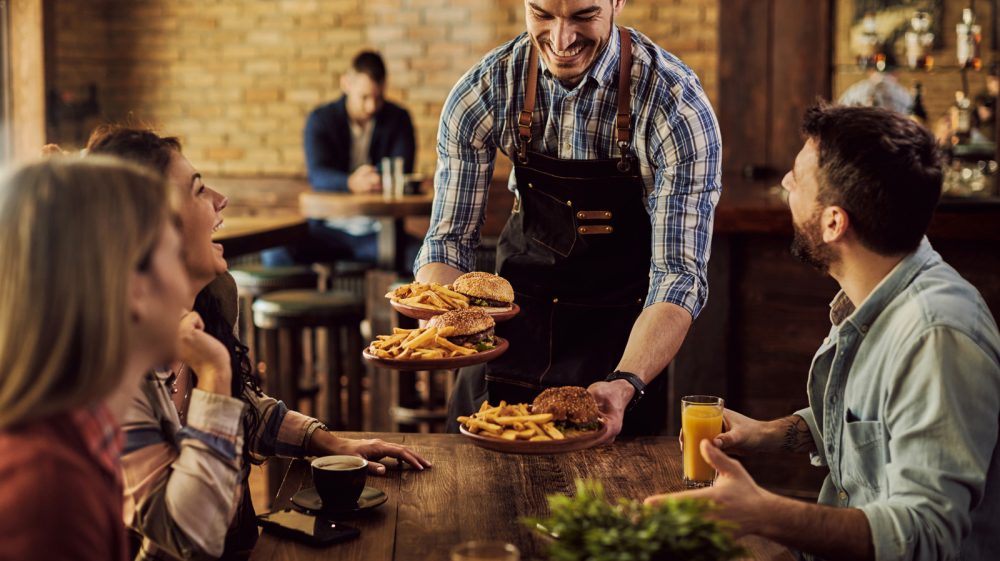
Introduction: The Restaurant as a Cultural Institution
A restaurant is far more than a mere place to eat; it is a dynamic institution that combines culinary artistry, social interaction, and cultural expression. From quaint family-owned bistros to luxurious Michelin-starred establishments, restaurants serve as arenas where food, ambiance, and service converge to create memorable experiences. This article explores the multifaceted nature of restaurants—examining their history, evolving roles, and the elements that elevate dining into an art form.
Historical Evolution: From Ancient Taverns to Contemporary Gastronomy
The concept of the restaurant has undergone profound transformations over centuries:
-
Ancient Roots: Early public eating venues, such as Roman thermopolia and Chinese teahouses, catered to travelers and locals alike.
-
The Birth of the Modern Restaurant: The 18th century in Paris marked the emergence of establishments offering individual menus and refined dishes, distinct from inns or taverns.
-
Industrial Revolution: Urbanization and increased wealth led to diverse restaurant types catering to varied social classes.
-
20th Century Innovations: The rise of themed restaurants, fast food, and fine dining shaped the global culinary landscape.
-
Present Day: Restaurants now emphasize not only cuisine but sustainability, technology integration, and immersive experiences.
Understanding this evolution highlights how restaurants mirror societal changes and preferences.
Key Components of a Successful Restaurant
A restaurant’s success depends on a harmonious interplay of several core elements:
-
Culinary Excellence: Quality, creativity, and consistency in food preparation are paramount.
-
Atmosphere and Design: The décor, lighting, and seating arrangements influence comfort and mood.
-
Service Quality: Attentive, knowledgeable, and courteous staff enhance guest satisfaction.
-
Operational Efficiency: Smooth coordination of kitchen and front-of-house operations minimizes wait times and errors.
-
Location and Accessibility: Strategic positioning affects footfall and convenience.
-
Marketing and Branding: Effective communication of the restaurant’s identity and offerings attracts and retains customers.
Together, these factors craft a holistic dining experience that appeals to patrons.
Diverse Types of Restaurants and Their Unique Appeal
Restaurants come in myriad forms, each catering to distinct tastes and occasions:
-
Fine Dining: Characterized by sophisticated menus, elegant ambiance, and impeccable service, often with tasting menus and wine pairings.
-
Casual Dining: Offers comfortable settings with a focus on affordability and approachable cuisine.
-
Fast Food: Emphasizes speed and convenience, often with standardized menus and minimal table service.
-
Cafés and Bistros: Intimate venues serving light meals and beverages, ideal for socializing or quick bites.
-
Ethnic and Specialty Restaurants: Showcase specific cultural cuisines, providing authentic culinary journeys.
-
Pop-ups and Food Trucks: Flexible, trend-driven formats that experiment with new concepts and flavors.
Each type contributes uniquely to the dining ecosystem, addressing varied consumer needs.
The Role of Technology in Shaping Modern Restaurants
Technology has become integral to restaurant operations and guest experiences:
-
Online Reservations and Ordering: Simplifies booking and takeaway services, enhancing accessibility.
-
Point of Sale (POS) Systems: Streamline billing, inventory, and customer data management.
-
Digital Menus and QR Codes: Provide interactive, contactless ordering options.
-
Social Media and Review Platforms: Influence reputation and attract new customers through visual storytelling and feedback.
-
Kitchen Automation: Improves precision, efficiency, and safety in food preparation.
Restaurants that embrace technological innovations often gain competitive advantages and adapt better to changing consumer behaviors.
Challenges Facing the Restaurant Industry
Despite its vibrancy, the restaurant sector faces several ongoing challenges:
-
Labor Shortages: Recruiting and retaining skilled staff remains difficult amid demanding work conditions.
-
Rising Costs: Fluctuating ingredient prices, rent, and utilities pressure profit margins.
-
Health and Safety Regulations: Compliance with evolving standards demands constant vigilance and investment.
-
Sustainability Demands: Increasing consumer awareness calls for eco-friendly sourcing, waste reduction, and energy efficiency.
-
Competition and Market Saturation: Standing out in crowded markets requires continuous innovation and marketing savvy.
-
Changing Consumer Preferences: Adapting menus and services to accommodate dietary trends and lifestyle shifts is essential.
Successful restaurants navigate these challenges with strategic foresight and adaptability.
The Restaurant Experience: More Than Just a Meal
Dining out today is often about immersive experiences that engage multiple senses and emotions:
-
Ambiance: Music, lighting, and décor work in concert to create a mood, whether intimate, lively, or relaxed.
-
Presentation: Artistic plating elevates dishes into visual masterpieces.
-
Storytelling: Menus and staff convey the narrative behind dishes—ingredient origins, chef inspirations, and cultural heritage.
-
Social Connection: Restaurants provide spaces for celebration, conversation, and community building.
-
Personalization: Tailored services, from dietary accommodations to bespoke dishes, foster guest loyalty.
By crafting these experiential layers, restaurants transform meals into memorable moments.
Tips for Choosing the Right Restaurant Experience
Selecting a restaurant can depend on several considerations:
-
Purpose of Visit: Casual lunches, romantic dinners, business meetings, or celebrations each call for different settings.
-
Cuisine Preference: Explore familiar comforts or adventurous flavors depending on mood and curiosity.
-
Budget: Align choices with financial parameters without compromising enjoyment.
-
Reviews and Recommendations: Seek insights from trusted sources for quality assurance.
-
Accessibility: Consider location, parking, and facilities for comfort and convenience.
-
Ambiance and Service Style: Decide between relaxed or formal atmospheres based on occasion.
Mindful selection ensures the dining experience aligns perfectly with expectations.
Conclusion: Restaurants as Cultural Catalysts and Culinary Sanctuaries
Restaurants play a vital role in society—they nourish, entertain, and inspire. More than just venues for eating, they are cultural touchstones where tradition meets innovation, and community is fostered over shared meals. As the industry evolves amid technological advances and shifting social landscapes, the essence of a restaurant remains rooted in human connection and culinary excellence. Whether a humble neighborhood eatery or a global gastronomic landmark, each restaurant tells a story—inviting patrons to partake, savor, and remember.