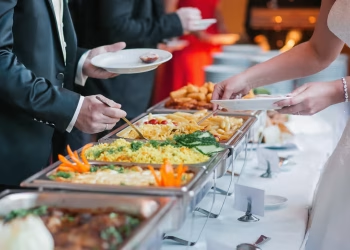

Introduction: The Art and Science of Catering
Catering transcends the simple act of providing food; it is an intricate blend of culinary expertise, meticulous planning, and impeccable service. Whether it is an intimate wedding, a corporate gala, or a casual social gathering, catering shapes the event’s atmosphere and leaves a lasting impression on guests. This article delves into the multifaceted world of catering—exploring its evolution, key components, challenges, and the subtle artistry that distinguishes exceptional caterers from the ordinary.
The Evolution of Catering: From Servitude to Sophistication
Historically, catering began as a service reserved for royalty and aristocrats, with lavish feasts orchestrated to demonstrate wealth and hospitality. Over centuries, the catering industry has transformed dramatically:
-
Medieval Banquets: Opulent spreads with multiple courses and theatrical presentation.
-
Industrial Era: Rise of public dining and the emergence of large-scale catering for social events.
-
Modern Catering: The shift toward personalized menus, thematic décor, and experiential dining.
-
Contemporary Trends: Emphasis on sustainability, dietary inclusivity, and innovative culinary techniques.
Understanding this trajectory highlights how catering has matured into a professional and creative industry essential to modern event management.
Core Elements of Successful Catering
At its heart, catering demands a harmonious balance between several vital components:
-
Menu Design and Customization: Tailoring dishes to suit the event’s tone, cultural preferences, and dietary requirements, balancing taste, presentation, and nutritional value.
-
Logistics and Coordination: Efficient management of food preparation, transportation, staffing, and timing to ensure seamless service.
-
Service Excellence: Trained personnel who embody professionalism, attentiveness, and adaptability.
-
Venue Compatibility: Adjusting to the venue’s infrastructure, ambiance, and spatial constraints to enhance guest experience.
-
Health and Safety Compliance: Adhering to stringent hygiene standards and food safety regulations to protect guests.
Each element requires careful orchestration to transform food service into a memorable culinary journey.
Types of Catering: Diverse Services for Varied Occasions
Catering services span a broad spectrum, each with unique demands and expectations:
-
Corporate Catering: Focused on efficiency and professionalism, often for meetings, conferences, and company celebrations, emphasizing convenient yet refined menus.
-
Wedding Catering: A blend of elegance and personalization, where menu choices reflect the couple’s tastes and cultural traditions, often accompanied by elaborate presentation.
-
Social and Private Events: Catering for birthdays, anniversaries, and family gatherings, balancing intimacy with creativity.
-
Specialty Catering: Includes dietary-specific services such as vegan, gluten-free, or allergen-conscious menus, as well as niche cuisines.
-
Mobile and Pop-Up Catering: Food trucks and temporary setups offering casual yet high-quality dining experiences at festivals or outdoor events.
This diversity challenges caterers to continually innovate and tailor their offerings.
Challenges in the Catering Industry
Catering is an exacting profession rife with potential obstacles:
-
Time Sensitivity: Coordinating food delivery and service within tight schedules demands precise timing.
-
Scalability: Managing volume without compromising quality is critical, especially for large events.
-
Client Expectations: Balancing budget constraints with aspirations for creativity and luxury can be complex.
-
Environmental Impact: Increasing pressure to minimize waste and adopt sustainable sourcing practices.
-
Staffing and Training: Recruiting and maintaining skilled, courteous staff amid fluctuating demand.
Mastering these challenges distinguishes truly exceptional catering operations.
The Role of Technology in Modern Catering
Technology has revolutionized the catering landscape:
-
Event Management Software: Streamlines booking, menu selection, and logistics.
-
Digital Menus and Ordering: Enhances client interaction and customization.
-
Inventory and Supply Chain Automation: Improves efficiency and reduces waste.
-
Social Media and Marketing: Allows caterers to showcase their creativity and connect with potential clients.
-
Virtual Tastings and Consultations: Provide remote access to services, broadening reach.
Embracing technology empowers caterers to deliver more efficient, responsive, and personalized services.
Tips for Choosing the Right Caterer
Selecting a caterer is pivotal to any event’s success:
-
Assess Experience and Reputation: Look for proven expertise and positive client testimonials.
-
Request Customized Proposals: Ensure menus align with your event’s theme and guest preferences.
-
Evaluate Food Quality: Taste tests and portfolio reviews are invaluable.
-
Clarify Service Details: Understand staffing ratios, service style, and contingency plans.
-
Consider Sustainability Practices: Align choices with your values regarding environmental responsibility.
Thorough vetting helps guarantee a stress-free and delightful catering experience.
Catering as an Expression of Culture and Creativity
Beyond food delivery, catering is a dynamic form of cultural expression and artistry:
-
Culinary Storytelling: Menus often narrate stories—regional heritage, seasonal abundance, or personal significance.
-
Aesthetic Presentation: Plating and buffet designs enhance sensory appeal and thematic cohesion.
-
Interactive Elements: Live cooking stations and tasting flights engage guests directly.
-
Fusion and Innovation: Merging traditional techniques with modern trends creates unique culinary signatures.
Catering thus becomes a platform where gastronomy and event design intersect beautifully.
Conclusion: Catering—Crafting Experiences Beyond Taste
Catering is far more than a transactional service; it is a creative craft that elevates occasions and connects people through shared culinary experiences. The successful caterer is a consummate professional, artist, and logistical expert, harmonizing flavors, presentation, and service with seamless precision. As the industry continues to evolve with shifting tastes and technologies, its core mission remains steadfast: to delight, surprise, and satisfy guests, making every event not just a gathering, but a cherished memory. Through the lens of catering, food becomes a language of celebration, culture, and connection—resonating long after the last plate is cleared.