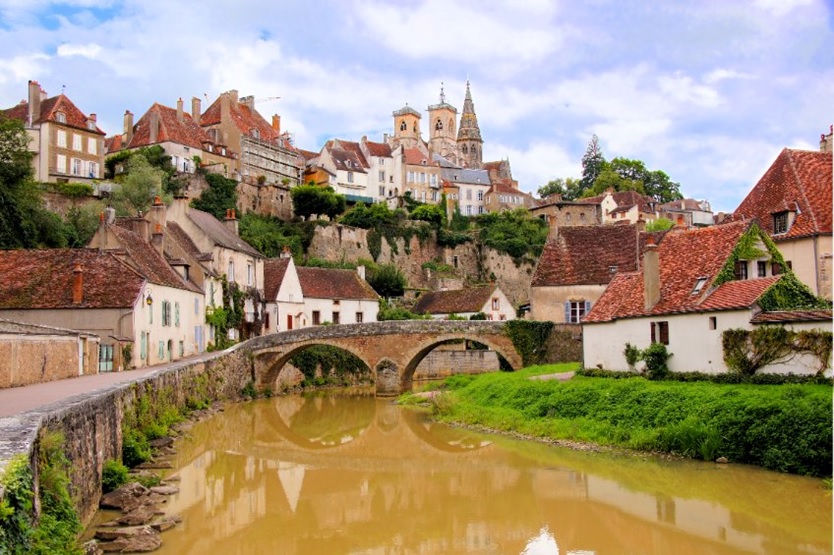
The honest answer is, it depends on you. Burgundy is one of those places that changes completely with the seasons. The same vineyard road feels totally different in January than it does in September. The best time to visit depends on what kind of trip you want.
Exploring the Stages of the Burgundian Year
If you’re looking for insight on how to find the best cellars, then you need to know how these seasons work. Here’s a breakdown of the whole year to help you figure that out:
The Magic of the Harvest Season
Late August into September is the most exciting time to be here. The locals usually call it Vendanges, the harvest season. It is the time when the whole region shifts into controlled chaos. There’s fruit in the air, and people are moving in quickly. It is when every hand is needed somewhere.
Some smaller wineries won’t even open their doors during this time because the winemakers are too deep into the work. That’s fair, but even if you can’t get inside for a tasting, the atmosphere outside more than makes up for it. Just sit at a table outside any village café and watch the whole thing unfold around you. It’s one of those experiences you don’t really forget.
Springtime Blooms and Bud Break
May and June feel like a deep breath after a long winter. It is when the vines start pushing out tiny green buds. The days are longer, and the weather is warm enough to enjoy but not hot enough to wear you out.
What makes spring really special, though, is the pace. The summer tourists haven’t arrived yet, so the people who make the wine actually have time for you. You might walk into a tasting room and spend an hour talking to the owner, with no one else around.
The Golden Glow of Autumn
Once harvest wraps up, something shifts. October and November turn Burgundy into a painting. The leaves go orange and gold and then deep red, and the famous Côte d’Or, which means Slope of Gold. It actually starts to look like its name for once.
Things slow down, but not completely. The Hospices de Beaune wine auction attracts serious collectors and wine lovers from around the world. The difference is that the crowds are smaller, and things are more relaxed.
Winter Peace and Cellar Secrets
Then there’s December to February, which is pretty quiet. The vines are bare this season, and the fields will look stark. So, if you’re used to sunny vineyard photos, the winter version might surprise you. However, this is honestly one of the best-kept secrets about visiting Burgundy.
Since so few people come in winter, winemakers are genuinely happy to sit with you. You get the long version of their story, the family history, the hard years, and the good ones. You hear things that will never come up during a busy summer tasting.
Summer Festivals and Outdoor Sipping
The festivals take place around July and August with so much energy. There’s a lot to experience from their markets, music, and outdoor lunches that stretch into the late afternoon. Many estates throw open their terraces and will let you sit outside with a chilled glass of Chardonnay. You’ll get to look straight out at the vines that made it.
It’s a good time, and it’s genuinely fun. The downside is that there are usually so many people coming. If Beaune wine tours are on your list, book them well before you land. Leaving it too late usually means settling for whatever’s left, and in Burgundy, the best spots go first.
Understanding the Continental Climate
Burgundy doesn’t have mild, predictable weather. It has a continental climate with real winters, real summers, and spring and autumn that can surprise you either way. This is actually part of what makes the wine interesting. Every year is different because the weather forces it to be.
For you as a visitor, that means packing smart, no matter when you go. A warm July morning can turn cool by evening. Even October sunshine disappears quickly once the sun drops. So, keep a jacket in your bag because you’ll use it more often.
Avoiding the “Closed Door” Dates
Another thing you need to know is that Burgundy is a year-round destination, but not every door is open year-round. Small family wineries often close in August. Also, even in peak summer, they take a break just after the new year in January.
So if you have a specific estate on your list, check before you travel. It takes five minutes to send an email or visit their website, and it saves you the frustration of driving to a locked gate. Bigger towns always have options, but the smaller, special places work on their own schedule, and they don’t apologize for it.
Budgeting for the High and Low Seasons
Your budget matters here a lot, especially during high seasons. This runs roughly from late spring through harvest. As a result, it pushes hotel prices up and makes everything feel more expensive. If you want to spend more on wine and less on where you sleep, April or late October are worth considering.
The weather is still good, and the scenery is still beautiful. However, the price of a room drops noticeably, and the whole experience will feel less rushed. This is why you need to consider the season before you book a trip.
Conclusion
Every season in Burgundy gives you something to look forward to. So whether you go during the harvest, spring, autumn, or even winter, you wouldn’t miss out on the experience. Whatever time you choose, make sure you take your time to enjoy it. Talk to the people filling your glass. Ask where the grapes came from, what the last few years were like, and whether this vintage surprised them. The wine is the easy part, but the real experience is in those conversations you have with the locals.