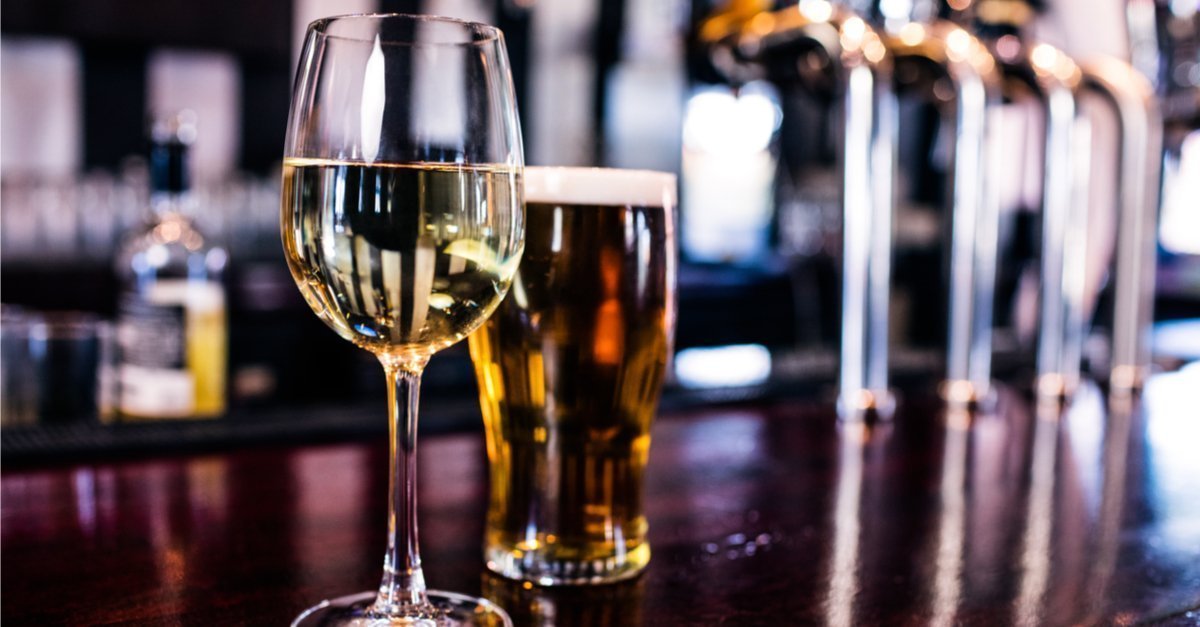
Introduction: The Enduring Charm of Bars and Wine
The world of bars and wine is a captivating blend of history, craftsmanship, and social interaction. Together, they represent not only a leisure pursuit but a refined cultural experience. From the convivial atmosphere of a neighborhood bar to the delicate complexities of a well-aged wine, this pairing evokes moments of celebration, reflection, and connection. This article explores the rich heritage of bars and wine, their evolving roles in society, and how they continue to enchant connoisseurs and casual enthusiasts alike.
Exploring Premium Whisky gives enthusiasts the opportunity to experience refined flavors, expert craftsmanship, and carefully aged selections. From limited editions to signature blends, premium whisky collections offer a sophisticated tasting experience for collectors and casual drinkers alike.
The Historical Roots of Bars and Wine
Bars and wine share intertwined histories that span centuries:
-
Origins of Wine: Cultivated as early as 6000 BCE in regions such as Georgia and Iran, wine has long been valued for its ritualistic, medicinal, and social functions.
-
Evolution of Bars: The word “bar” originates from the physical barrier separating patrons from bartenders, with taverns and inns serving as early social hubs since ancient times.
-
Cultural Significance: Wine played vital roles in religious ceremonies and royal courts, while bars fostered community gatherings and storytelling.
-
Modern Transformation: The 19th and 20th centuries saw bars evolve with urbanization and social change, while wine production spread globally, diversifying varieties and styles.
Understanding these origins enhances appreciation for their modern-day sophistication.
The Art of Wine: From Vineyard to Glass
Wine is a testament to nature and human artistry:
-
Terroir and Varietals: The concept of terroir — the unique combination of soil, climate, and geography — imparts distinctive qualities to grapes, resulting in diverse varietals like Cabernet Sauvignon, Chardonnay, and Pinot Noir.
-
Winemaking Process: From harvesting and fermentation to aging in oak barrels or steel tanks, each step shapes the wine’s flavor, aroma, and texture.
-
Wine Tasting and Pairing: Appreciating wine involves understanding its acidity, tannins, sweetness, and body, and pairing it thoughtfully with food enhances the experience.
-
Aging and Collecting: Some wines improve with age, developing complex layers, while others are best enjoyed young and vibrant.
Wine invites a sensory journey that combines science, tradition, and personal preference.
Bars: More Than Just a Place to Drink
A bar is a dynamic social institution, offering much more than beverages:
-
Ambiance and Design: Lighting, music, and décor create atmospheres that range from intimate and cozy to vibrant and trendy.
-
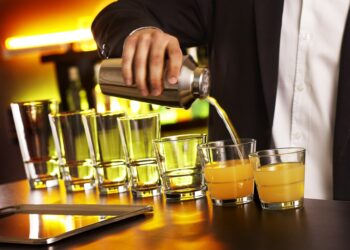
Craftsmanship of Bartenders: Skilled bartenders craft cocktails, curate drink menus, and engage patrons, elevating the drinking experience.
-
Community and Connection: Bars serve as meeting places where friendships are forged, celebrations unfold, and cultures intersect.
-
Diverse Offerings: Beyond wine and spirits, bars may feature craft beers, artisanal cocktails, and specialty non-alcoholic options.
The bar’s role as a cultural and social catalyst endures across eras and societies.
The Intersection of Bar and Wine Culture
Wine’s presence in bars has transformed drinking culture:
-
Wine Bars: Establishments dedicated to serving a curated selection of wines, often with knowledgeable sommeliers, provide a refined alternative to traditional bars.
-
Wine Cocktails: Mixology innovations incorporate wine into creative cocktails, broadening its appeal.
-
Educational Experiences: Wine tastings and pairing events foster deeper understanding and enjoyment.
-
Accessibility and Inclusivity: Modern bars emphasize approachable wine options for novices while catering to aficionados.
This convergence enriches the overall drinking experience and expands wine’s cultural footprint.
Trends Shaping the Modern Bar and Wine Scene
Contemporary trends reflect changing tastes and societal shifts:
-
Sustainability: Organic and biodynamic wines are gaining prominence, while bars adopt eco-friendly practices.
-
Local and Small-Batch: Interest in locally sourced wines and craft spirits supports regional producers.
-
Health-Conscious Choices: Lower-alcohol and non-alcoholic wine options cater to mindful consumers.
-
Technology Integration: Apps and digital menus enhance ordering and learning about wines.
-
Experiential Drinking: Pop-up wine bars, themed events, and virtual tastings offer novel ways to engage.
These trends demonstrate the industry’s adaptability and responsiveness.
Tips for Enjoying Bars and Wine Responsibly
An elevated experience also embraces moderation and mindfulness:
-
Know Your Preferences: Experiment to discover preferred varietals and styles.
-
Pace Yourself: Savor drinks slowly to appreciate flavors and avoid overindulgence.
-
Hydrate and Eat: Balance alcohol with water and food to enhance comfort and enjoyment.
-
Respect Limits: Recognize personal tolerance and prioritize safety.
-
Explore with Curiosity: Use visits to bars and tastings as opportunities to learn and expand your palate.
Responsible enjoyment enhances both pleasure and well-being.
Conclusion: Bars and Wine as Pillars of Culture and Connection
The worlds of bar and wine are rich with history, creativity, and social significance. They offer more than taste—they cultivate atmosphere, community, and memory. Whether it’s a quiet glass of vintage red at a cozy wine bar or a lively evening sharing craft cocktails with friends, these experiences reflect timeless human desires for connection and celebration. As the culture around bars and wine continues to evolve, it invites us all to explore, savor, and appreciate life’s finer moments with grace and awareness.